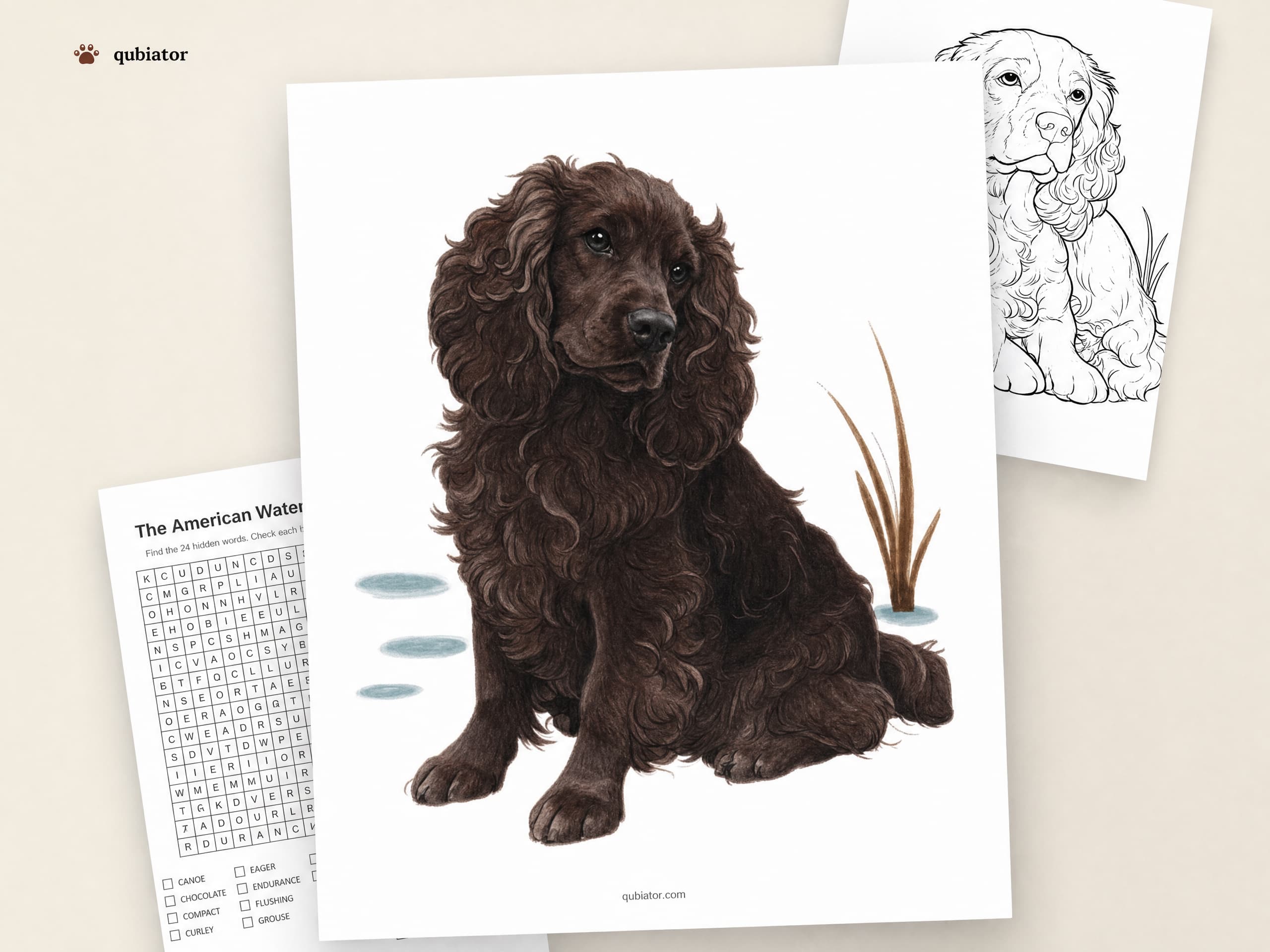
Before it comes home wet from a swim, carrying a stick it chose with great care, the American Water Spaniel has a long history in the cold rivers and marshes of Wisconsin.
In the middle of the nineteenth century, the Fox and Wolf River valleys were hard country for a hunting dog. The water was cold, the marshes were thick with reeds and timber, and hunters traveled through narrow channels in small skiffs, punts, and canoes. A large retriever could make an unsteady boat harder to manage. A smaller dog without the right coat could not stay warm in the water for long.
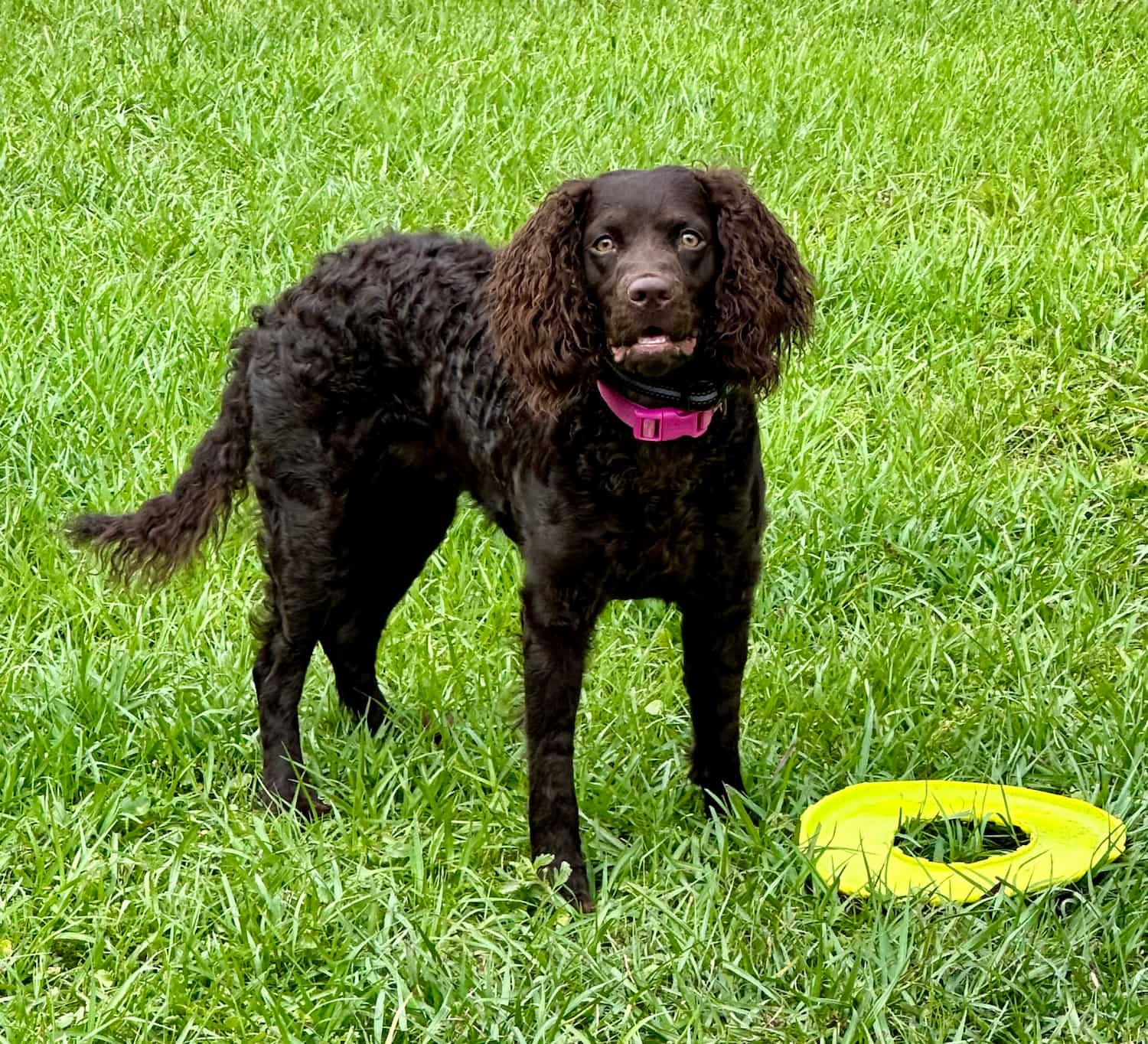
Hunters needed a dog compact enough for the boat and strong enough for a difficult retrieve. They needed webbed feet for swimming, a dense, oily coat for cold water, and a full tail that could help provide balance and direction in the current. They also needed a dog that would work close by when the cover became too thick to see through.
The breed was developed from several sporting dogs. Historical accounts point first to the Curly-Coated Retriever and the now-extinct Old English Water Spaniel, with likely influence from the Field Spaniel and Irish Water Spaniel. By the 1870s, the result was known around Wisconsin as the American Brown Spaniel: a brown, curly-coated dog that could retrieve from water, work through dense cover, and stay within sight of the hunter.
American Water Spaniels were developed to work close to their handlers. In the Wisconsin marsh, a dog that ranged too far could be lost in the reeds or flush a bird beyond the hunter's reach. The better dog worked steadily, followed scent, and kept the connection.
The setting is different now, but those instincts remain easy to recognize. These dogs often want to know where their person is, whether that person is moving through the woods, unloading the car, or standing at the kitchen counter. These dogs bring energy, intelligence, and a mind of their own, but they tend to prefer carrying out their plans close to the people they know.
In 1985, Wisconsin named the American Water Spaniel its state dog. It was a fitting choice. Few breeds belong so clearly to one place: the dark water, river grass, small boats, and people who needed a capable dog beside them.
That history still lives in the American Water Spaniel. Stay close. Pay attention. Be ready when it matters.